Featured
Table of Contents
Tailor your rules to match project intent. Your rules are recorded and account for analytical significance. You've thought through scenarios like "what if a winning campaign all of a sudden underperforms for 3 days?" and "how do we manage campaigns during seasonal fluctuations?" Your automation has clear guidelines for every scenario it may encounter.
Begin by integrating your advertisement platforms with your attribution and automation system. These integrations enable the system to both pull efficiency information and push budget plan adjustment commands back to your ad accounts.
Establish conversion sync to feed precise data back to platform algorithms. This is where server-side tracking pays extra dividends. When you send out enriched conversion occasions back to Meta or Googleevents that consist of real income, customer life time worth signals, and complete attribution datayou enhance how those platforms' native algorithms optimize within your projects.
Search and Display Ads: Choosing the Best Balance
If Meta's algorithm just sees partial conversion data since of iOS constraints, it optimizes based upon insufficient details. When you sync complete server-side conversion data back to Meta, you're essentially teaching its algorithm what a valuable conversion really looks like. This enhances both manual and automatic campaign efficiency. Understanding ad platform algorithm optimization methods helps you optimize this benefit.
Equate your recorded rules into these condition-action pairs. Even if you're positive in your setup, begin with lower budget plan change percentages and longer evaluation windows than you might ultimately utilize.
Enable automation for a subset of your projects. Let automation manage those while you continue manually handling newer or more unstable campaigns.
Mastering Predictive Bidding for Much Better Ppc For Automotive Buyers That Convert ROIWhen the system makes its very first budget boost or reduction, confirm that the choice makes sense based on the information. Confirm that the budget change in fact executed in the advertisement platform.
You can see the decision trailthis project crossed the threshold, so automation increased the spending plan by this quantity. The modifications execute effectively in your advertisement platforms without manual intervention. The most effective automated optimization systems evolve constantly based on real-world results.
Search Versus Social Ads: Finding the Best Balance
Check automated choices daily. Evaluation what actions the system took, confirm they align with actual performance, and look for any unanticipated patterns.

Before automation, what was your typical ROAS throughout all campaigns? What was your common time invested on budget plan management every week? Now that automation is active, are those metrics improving? The objective isn't simply to conserve timeit's to accomplish much better results while saving time. Lots of online marketers discover that automated optimization identifies scaling opportunities they would have missed out on by hand.
Automation captures those opportunities since it's constantly examining every campaign versus your performance limits. Refine your limits and rules based on real-world results. Maybe you discover that your 4x ROAS limit is too conservativecampaigns consistently keep efficiency even when scaled at 3.5 x ROAS. Or possibly you discover that 20% budget plan boosts are too shy for your winners, and you can securely scale by 40% without interfering with performance.
Boosting CTR Using Dynamic Assets
Watch for seasonal patterns or external aspects that impact automation efficiency. Throughout high-intent periods like Black Friday, your conversion rates might surge, activating aggressive scaling. During slow periods, conversion rates might dip, triggering automation to draw back budget plans. Comprehending these patterns helps you adjust guidelines seasonally rather than combating against natural business cycles.
Expand automation slowly to additional campaigns and platforms. Once your preliminary test projects show consistent enhancement under automation, roll it out to comparable project types. Eventually, you might automate spending plan allowance across your entire paid media mixletting the system shift dollars from underperforming Google campaigns to winning Meta projects based upon cross-platform attribution data.
Keep notes on which guidelines work best for different campaign types. Record the edge cases you come across and how you resolved them. This institutional understanding becomes indispensable as you scale automation or as new employee join. It's the difference between starting from scratch each time versus structure on tested structures.
You're capturing and scaling winning campaigns faster than you could manually. You're cutting losses on underperformers before they drain significant spending plan. The system handles regular optimization decisions, freeing you to concentrate on creative technique, audience research study, and top-level planning. Establishing automated ad invest optimization isn't a one-day projectit's an organized procedure that builds on accurate information and clear decision rules.
Developing a Modern PPC Framework
You stop responding to yesterday's performance and start proactively scaling what works. Here's your fast execution checklist to validate you have actually covered the fundamentals:1. Tracking audit complete with gaps identifiedyou know exactly what information you have and what you're missing2. Server-side tracking implemented and verifiedyour conversion data matches real organization records3.
Optimization guidelines and limits documentedautomation has clear guidelines for every scenario5. Platforms linked with conversion sync activehigh-quality data streams both ways in between your attribution system and ad platforms6. Monitoring procedure establishedyou're examining automated decisions and refining rules based on resultsThe marketers who prosper with automation are those who invest in the structure.
Start with one campaign or platform, show the system works, then broaden. Start where you have the most data and the clearest performance patterns. Let success build confidence, then scale your automation along with your projects.
Driving Targeted Leads With GEO-Targeted Ads
While your competitors are still manually moving budgets based on platform dashboards, you're optimizing based upon total consumer journey data and actual revenue attribution. That difference substances gradually. All set to stop handling advertisement invest manually and begin letting information drive your choices? The right attribution foundation makes all the distinction between automation that loses spending plan and automation that scales winners.
That's why today, we're introducing to offer companies an easier way to handle their ad budgets and make sure ideal outcomes. This tool will be presenting to marketers in the coming months. Utilizing project spending plan optimization, advertisers can set one main project budget plan to enhance throughout advertisement sets by dispersing budget to the leading carrying out ad sets in actual time.
Mastering Predictive Bidding for Much Better Ppc For Automotive Buyers That Convert ROI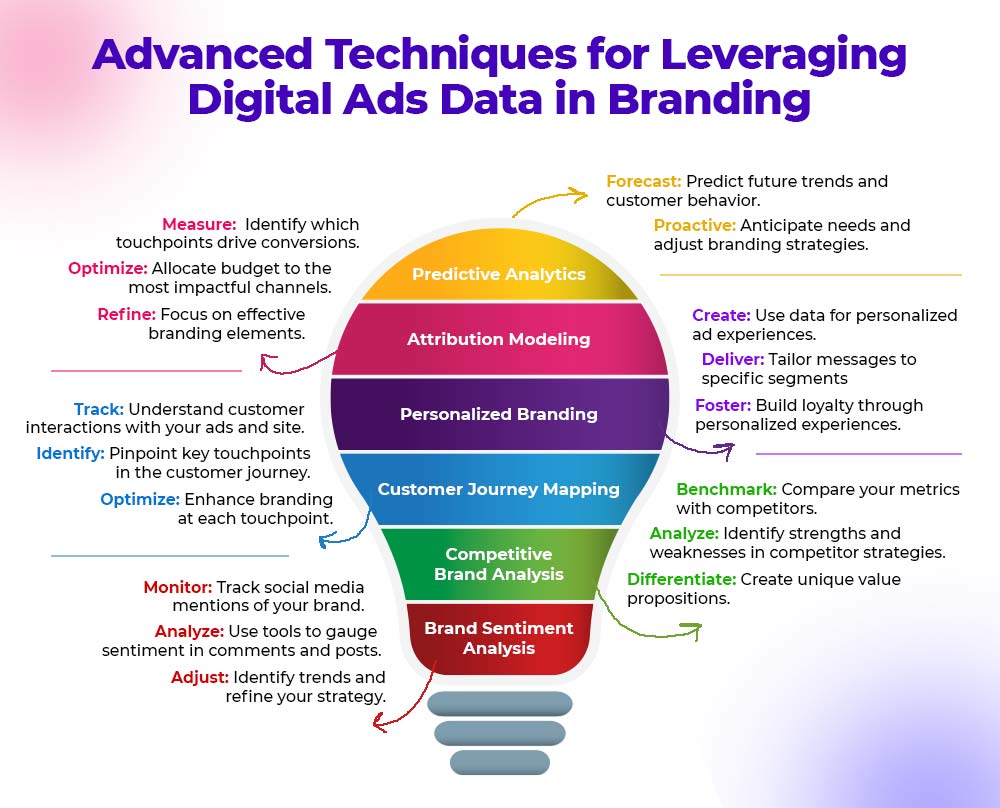
With campaign budget plan optimization, to get the finest outcomes for their project. In addition to setting a day-to-day or life time campaign spending plan, services can set quote caps and invest limits for each advertisement set. By distributing more of a spending plan to the highest performing ad sets, marketers can maximize the overall value of their project.

Latest Posts
Comparing Various Corporate Giving Styles
Effective Ways for Supporting Youth Wellness
Targeting the Right Audience Through Precision Media Buying